


When it comes to maintaining your home, it’s easy to overlook certain areas that may need regular attention. One crucial aspect of home care that is often neglected is the garage door. Proper maintenance of your garage door is essential to ensure its longevity and safe operation. By following a comprehensive home care checklist for your garage door, you can prevent costly repairs and ensure the security of your home. In this article, we will delve into the various steps involved in properly maintaining your garage door to keep it in top condition.
Inspecting the Door Mechanism

Regular inspections of your garage door mechanism are crucial to catch potential issues before they become major problems. A professional garage door service can perform a thorough examination to ensure all components are functioning correctly, helping you avoid costly repairs and extend the lifespan of your door.
When inspecting your garage door, consider these key points:
- Listen for unusual sounds: Grinding, squeaking, or rattling noises can indicate worn or misaligned parts.
- Watch for irregular movements: Doors that move unevenly or jerk during operation may need adjustment.
- Check for visible wear and tear: Look for rust, loose hardware, or frayed cables.
Partnering with a trusted garage door service for regular inspections ensures minor issues are addressed before they escalate. In addition, performing simple visual checks on your own helps you stay proactive in maintaining your garage door and keeping it in top condition.
Testing the Garage Door Opener
Is your garage door opener working as smoothly as it should? Regular testing is essential to ensure your garage door operates safely and efficiently. A professional garage door maintenance company can help inspect the opener, identify potential issues, and make necessary adjustments before they become serious problems.
Homeowners can take these steps to maintain the opener:
- Test the remote and wall controls: Make sure both respond correctly and consistently.
- Check the manual operation: Know how to disengage the opener and operate the door manually in case of power failure or malfunction.
- Inspect safety features: Ensure auto-reverse mechanisms and photoelectric sensors function properly to prevent accidents.
Routine testing of the garage door opener is more than just convenience—it’s a safety measure. By partnering with a reliable garage door maintenance company and performing regular checks yourself, you can prevent unexpected disruptions, protect your family, and extend the lifespan of your garage door system.
Lubricating Moving Parts
Are your garage doors operating smoothly, or do they squeak and stick? Proper lubrication of the moving parts is essential for efficient and quiet operation. Consulting a local garage door service can help you choose the right lubricant for your specific door type and ensure it’s applied correctly. This simple step in your home care checklist can prevent unnecessary wear and prolong the lifespan of your garage door.
Key steps to keep your moving parts well-lubricated include:
- Hinges: Apply lubricant to all hinges to reduce friction and prevent squeaking.
- Rollers: Lubricate rollers along their tracks to allow smooth movement without resistance.
- Tracks: Keep the tracks clean and lightly lubricated, ensuring they are free of debris and rust.
- Springs and bearings: A small amount of lubricant on springs and bearings can prevent snapping or strain.
Homeowners should also be aware of how often lubrication is needed. Depending on the garage door mechanism, some doors require more frequent attention than others. By following the guidance of a local garage door service and including lubrication in your maintenance routine, you can:
- Optimize door performance for quieter, smoother operation
- Prevent costly repairs due to worn or damaged components
- Extend the overall lifespan of your garage door system
In addition to lubrication, regularly inspect hinges, rollers, and tracks for signs of wear, corrosion, or debris buildup. Incorporating these steps into your home garage care checklist keeps your door functioning efficiently and ensures safe, reliable operation for years to come.
Checking the Safety Features

Are your garage door safety features functioning properly? Ensuring these features are in top condition is crucial to prevent accidents and injuries. Overhead door companies can provide expert assistance in inspecting essential safety components of your garage door, including photoelectric sensors, auto-reverse mechanisms, and emergency release systems. Adding this step to your home garage care checklist helps protect your family and ensures your garage door operates safely.
Key safety features to monitor include:
- Photoelectric sensors: These detect objects in the door’s path and automatically stop or reverse closing to prevent injuries.
- Auto-reverse mechanism: Ensures the door reverses if it encounters an obstruction, preventing damage or harm.
- Emergency release: Allows manual operation of the door during a power outage or malfunction, keeping you in control.
Homeowners should also perform regular tests of these safety features to confirm they are working correctly:
- Place an object in the door’s path to test auto-reverse functionality.
- Walk through the sensor beams to ensure the door stops and reverses properly.
- Check that the emergency release lever functions smoothly and disengages the door from the opener.
Partnering with professional overhead door companies ensures that inspections and any necessary repairs are done correctly. By combining professional expertise with regular personal checks, you can address potential safety issues before they escalate. This proactive approach enhances the reliability of your garage door and maintains a secure environment for your home.
Cleaning the Garage Door
Are you keeping your garage door clean and well-maintained? Regular cleaning is not just about appearances—it also protects the door from dirt, debris, and buildup that can affect its performance. Professional garage door spring repairs services often include a thorough cleaning as part of routine maintenance, ensuring your door stays in optimal condition. Including this step in your home garage care checklist can boost your home’s curb appeal and prolong the lifespan of your garage door.
Key steps for cleaning your garage door include:
- Exterior cleaning: Use a mild detergent and soft cloth or sponge to remove dirt, dust, and grime. Avoid harsh chemicals that could damage the paint or finish.
- Windows and panels: Clean glass panels carefully with a window cleaner, and wipe down any decorative elements to maintain a polished look.
- Wheels and tracks: Remove debris and dust from the door’s tracks and rollers to ensure smooth operation.
While cleaning, homeowners should also inspect critical components for damage:
- Weather stripping and seals: Ensure they are intact, properly aligned, and free from cracks or wear to prevent energy loss and drafts.
- Door springs and hardware: Check for visible signs of rust or wear. Professionals who provide garage door spring repairs can handle any adjustments or replacements safely.
- Lubrication points: After cleaning, lubricate hinges, rollers, and moving parts to maintain smooth and quiet operation.
By combining regular cleaning with professional maintenance from a garage door spring repairs service, you can keep your garage door functioning efficiently and looking its best. Regular care prevents costly repairs, improves energy efficiency, and ensures your garage door remains a safe and attractive part of your home.
Inspecting Weather Stripping
Did you know that your garage door’s weather stripping plays a vital role in keeping your home comfortable and energy-efficient? Properly functioning weather stripping prevents drafts, moisture, pests, and even dirt from entering your garage and home. When performing inspections, garage floor coatings can actually assist by providing a clean, stable surface that makes it easier to check the condition of the seals and identify any wear or damage. Including this step in your home garage care checklist is essential for maintaining your home’s energy efficiency and protecting your property.
Key points to consider when inspecting weather stripping:
- Check for cracks and gaps: Look for any signs of wear, splitting, or missing sections that could let in air, water, or pests.
- Assess alignment: Ensure the weather stripping sits flush against the garage door and the frame, creating a tight seal.
- Examine adhesive or fasteners: Make sure the strips are securely attached and haven’t loosened over time.
Additional tips for maintaining effective weather stripping:
- Clean regularly: Dirt and debris can reduce the effectiveness of the seals, so wipe them down during inspections.
- Replace when necessary: Damaged or worn weather stripping should be replaced promptly to maintain optimal insulation.
- Inspect surrounding areas: Check door edges and the threshold to ensure the seal is continuous and effective.
By incorporating regular inspections of weather stripping into your garage care routine, along with the support of garage floor coatings to keep the space clean and easy to inspect, you can prolong the life of the seals, improve insulation, and enhance the overall efficiency of your garage. This simple step helps prevent energy loss, reduces wear on your garage door, and keeps your home protected from the elements.
Examining the Tracks
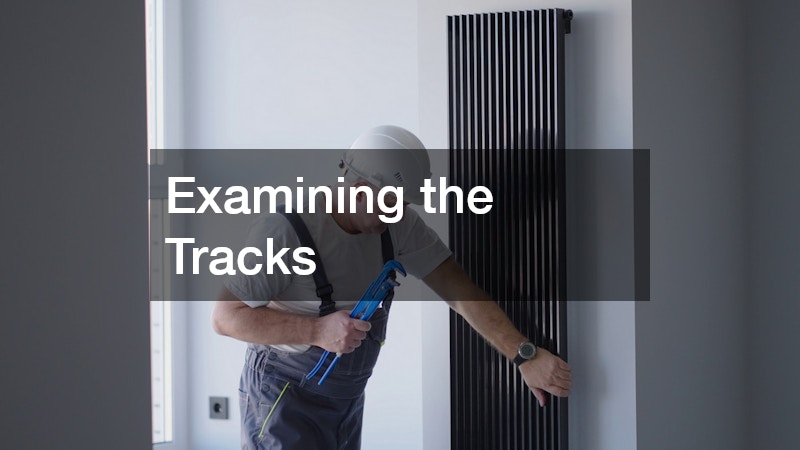
The tracks of your garage door are critical components that guide its movement and ensure smooth, reliable operation. For custom garage doors, proper track maintenance is even more important, as unique designs or heavier materials can place extra stress on the system if the tracks are misaligned or obstructed. Regular inspection and cleaning of the tracks help prevent unnecessary wear, reduce the risk of malfunctions, and extend the lifespan of your garage door.
When checking your garage door tracks, consider these important steps:
- Visual inspection: Look for signs of dents, bends, or rust that could interfere with smooth movement.
- Alignment check: Ensure the tracks are straight and parallel; misaligned tracks can cause the door to bind or operate unevenly.
- Debris removal: Clear away dust, dirt, grease, leaves, or small objects that may have collected in the tracks.
Additional tips for maintaining custom garage doors:
- Lubricate when needed: Lightly lubricate the tracks with a garage-appropriate lubricant to reduce friction and prevent squeaking.
- Inspect rollers and hardware: Check the rollers, brackets, and fasteners for wear or damage that may affect track performance.
- Call professionals when necessary: A reputable garage door service can perform a more thorough inspection and correct alignment issues that may be hard to detect at home.
By regularly examining and maintaining the tracks of your custom garage doors, you ensure smooth operation, reduce strain on the opener and door mechanism, and prevent costly repairs. Including this step in your home garage care checklist keeps your garage door performing efficiently and safely for years to come.
Checking for Rust and Corrosion
Rust and corrosion can seriously compromise the structural integrity of your garage door, affecting both its performance and safety. Over time, exposure to moisture, humidity, and harsh weather conditions can cause metal components like hinges, rollers, and tracks to deteriorate. Garage door repair companies can help identify and treat rust-prone areas before they lead to more costly repairs or even mechanical failure.
Homeowners can take proactive steps to monitor and prevent rust and corrosion:
- Regular visual inspections: Check the metal parts of your garage door, including hinges, rollers, brackets, and tracks, for any signs of rust or corrosion.
- Early intervention: Treat small spots of rust promptly with appropriate rust removers or sealants to prevent them from spreading.
- Protective coatings: Apply rust-resistant coatings or paints to exposed metal surfaces to shield them from moisture and environmental damage.
- Lubrication: Keep moving metal parts well-lubricated to minimize friction and reduce the chance of corrosion forming over time.
In addition to DIY steps, consulting garage door repair companies for periodic inspections ensures that any hidden or developing issues are addressed professionally. These experts can repair damaged components, replace corroded parts, and recommend preventative measures tailored to your garage door’s material and environment.
By including regular checks for rust and corrosion in your home garage care checklist, you safeguard your garage door’s structural integrity, extend its lifespan, and maintain smooth, safe operation for years to come.
Assessing Garage Door Insulation
Proper insulation in your garage door is essential for maintaining comfortable indoor temperatures, improving energy efficiency, and reducing utility costs. Over time, insulation can degrade, leaving gaps that allow heat to escape in winter or enter during summer. Garage door replacement services can help assess the condition of your door’s insulation and recommend upgrades if necessary, ensuring your garage and home remain energy-efficient.
Homeowners can take the following steps to maintain and improve garage door insulation:
- Check the R-value: Understand the R-value of your garage door insulation, which measures its resistance to heat flow. Ensure it meets recommended standards for your climate.
- Inspect for gaps and cracks: Look for air leaks around the door panels, seals, and edges, which can compromise insulation and increase energy costs.
- Seal openings: Apply weatherstripping or caulk to small gaps to prevent drafts and maintain consistent indoor temperatures.
- Consider upgrades: If your garage door insulation is insufficient or damaged, a professional garage door replacement may be the best option to improve efficiency and comfort.
In addition to energy savings, properly insulated garage doors can also protect items stored inside from extreme temperatures and reduce strain on your HVAC system. By including regular insulation assessments in your home garage care checklist, you ensure your garage door contributes to a more comfortable, efficient, and sustainable home environment.
Monitoring for Unusual Noises
Unusual noises coming from your garage door can be an early warning sign of underlying issues that require attention. Sounds such as grinding, squeaking, or rattling may indicate worn-out parts, misaligned tracks, or insufficient lubrication. Regularly monitoring for these noises can help prevent major malfunctions and costly repairs.
Local flooring service providers can also play a role in this process. Since garage floors and door tracks are closely connected, these professionals can assist in identifying issues related to floor alignment or uneven surfaces that might contribute to unusual door noises. By addressing these concerns promptly, you ensure smoother operation and prevent additional strain on your garage door mechanism.
Homeowners can follow these steps to maintain a quiet and efficient garage door:
- Listen carefully: Pay attention to any unusual sounds during door operation, noting when and where they occur.
- Conduct visual inspections: Examine the door mechanism, rollers, tracks, and hinges for signs of wear, debris, or damage.
- Check floor alignment: Uneven garage floors or obstructions can affect door movement, which a local flooring service can help assess.
- Seek professional help: If you notice persistent or concerning noises, enlist the help of experts to diagnose and fix the issue early.
By including regular noise monitoring in your home garage care checklist, you can detect potential problems before they escalate. Combining professional inspections with your own visual checks ensures your garage door operates efficiently, safely, and quietly for years to come.
Setting a Maintenance Schedule
Establishing a regular maintenance schedule for your garage door is crucial to ensure its longevity, safety, and smooth performance. A well-planned schedule helps you stay proactive in addressing potential issues before they turn into costly repairs. By including a maintenance schedule in your home garage care checklist, you create a systematic approach to garage door care, keeping your door functioning efficiently year-round.
Homeowners can work with garage door service providers to develop a customized maintenance plan tailored to their specific door type and usage. This plan ensures that every component—from the tracks and rollers to the opener and safety sensors—receives regular attention.
Key elements to include in a garage door maintenance schedule:
- Lubrication: Apply the recommended lubricant to hinges, rollers, tracks, and other moving parts to prevent wear and ensure smooth operation.
- Cleaning: Regularly clean the door exterior, tracks, and weather stripping to remove dirt, debris, and buildup that can impair function.
- Inspections: Conduct thorough inspections of the door mechanism, opener, safety features, and insulation to detect early signs of damage or misalignment.
- Noise monitoring: Listen for unusual sounds, such as grinding or squeaking, which can indicate mechanical issues.
- Emergency checks: Test the manual release mechanism and safety sensors to ensure the door can operate safely during power outages or malfunctions.
In addition to regular tasks, it’s important to be prepared for unexpected problems. Keeping a record of all maintenance activities allows you to track the condition of your garage door over time, identify recurring issues, and provide proof of care for warranty or insurance purposes.
By setting and following a maintenance schedule, you enhance the safety, reliability, and lifespan of your garage door. A structured routine reduces stress, prevents costly repairs, and ensures a seamless, worry-free experience every time you use your garage door.
Conclusion
Proper maintenance of your garage door is crucial to ensure its longevity, performance, and safety. By following a comprehensive home care checklist that includes regular inspections, testing, lubrication, cleaning, and assessments of various components, you can prevent costly repairs and enhance the security of your home. Incorporating professional services from garage door maintenance companies, repair companies, and service providers can help you stay proactive in caring for your garage door. By setting a maintenance schedule and staying vigilant about any issues that may arise, you can ensure that your garage door remains in optimal condition for years to come.