


Getting Started With a Smarter Renovation Plan
Planning a full upgrade for both the garage and driveway can feel overwhelming at first, but taking a structured approach makes the process far more manageable. These two areas play a major role in how a home functions day to day. They affect storage, accessibility, safety, and even the first impression visitors have when they arrive. When improved together, they create a more cohesive and efficient exterior space.
Instead of treating each upgrade as a separate project, homeowners benefit from thinking about the garage and driveway as one connected system. The layout, materials, and design choices should work together. A well-planned project improves not only how the space looks, but also how it performs over time. With the right strategy, it is possible to reduce maintenance needs, increase durability, and make everyday tasks easier.
This guide walks through each stage of the process, from evaluating your current setup to making smart upgrades and planning long-term maintenance. By following these steps, homeowners can avoid costly mistakes and create a space that truly supports their needs.
Assess the Current Condition Before Making Decisions

Before starting any upgrades, it is important to understand what you are working with. A thorough evaluation of the garage and driveway will help identify existing issues and determine where to focus your budget.
Start by inspecting the overall structure. Look for visible damage such as cracks, uneven surfaces, or signs of water pooling. These issues are especially common in concrete driveways, where weather and wear can gradually break down the surface. If left unaddressed, small cracks can expand and lead to more expensive repairs later.
Inside the garage, examine walls, flooring, and structural elements. Pay attention to ventilation, lighting, and insulation as well. If the space feels damp or poorly lit, those are signs that upgrades are needed beyond simple cosmetic changes.
In many cases, consulting a garage contractor early in the process can provide valuable insight. Professionals can identify hidden problems, recommend appropriate materials, and help you avoid design mistakes. Even if you plan to handle parts of the project yourself, expert input at the beginning can save time and money.
Document everything during this phase. Take photos, measure dimensions, and make notes about problem areas. This information will guide your decisions as you move forward.
Build a Realistic Budget and Timeline
Once you understand the current condition, the next step is to create a clear budget and timeline. Without this step, projects can quickly become disorganized or exceed financial limits.
Break your budget into categories such as structural repairs, materials, labor, and finishing upgrades. For example, if you are considering epoxy flooring, factor in preparation costs, installation, and long-term maintenance. While this type of flooring can be more expensive upfront, it often provides durability and easier cleaning over time.
It is also important to prioritize. Start with essential repairs and safety improvements before moving on to aesthetic upgrades. This ensures that your investment supports long-term functionality rather than just appearance.
When building a timeline, consider how different phases of the project will overlap. Some work, like surface preparation or curing times, may require waiting periods. Planning ahead helps avoid delays and keeps the project moving smoothly.
Finally, set aside a contingency fund. Unexpected issues are common in renovation projects, and having extra funds available helps you handle surprises without stress.
Clear Out the Space to Create a Clean Starting Point
Before any renovation begins, the garage needs to be completely cleared. This step is often underestimated, but it has a significant impact on the success of the project.
Over time, garages tend to accumulate items that are no longer used. Old tools, broken equipment, and unused storage bins can take up valuable space. Sorting through these items allows you to decide what to keep, donate, or discard.
Hiring junk removal services can make this process much faster and easier. Professionals handle heavy lifting and disposal, which is especially helpful when dealing with bulky or hazardous materials. For larger cleanouts, junk hauling services provide an efficient way to remove everything in one step.
A clean, empty garage allows contractors to work more efficiently and reduces the risk of damage to personal belongings. It also gives you a better sense of how much usable space you actually have, which is important when planning layout changes.
Design a Layout That Matches Daily Needs
Once the space is cleared, you can begin designing a layout that supports how you use the garage every day. A well-planned layout improves efficiency and makes the space easier to maintain.
Start by thinking about how the garage will be used. Some homeowners need space for parking, while others use it for hobbies, storage, or even a home gym. Identifying these needs helps determine how the space should be organized.
Incorporating garage storage solutions is one of the most effective ways to improve functionality. Wall-mounted shelves, overhead racks, and built-in cabinets help keep items organized while freeing up floor space. Creating designated zones for tools, seasonal items, and equipment also makes it easier to find what you need.
Accessibility is another key factor. Frequently used items should be easy to reach, while less-used items can be stored higher or further back. Planning for future needs is also important, as storage requirements often change over time.
A thoughtful layout not only improves organization but also enhances safety by reducing clutter and creating clear walkways.
Upgrade the Entry System for Better Performance

The garage entry system plays a major role in both security and energy efficiency. Upgrading this component can have a noticeable impact on daily convenience and overall home value.
One of the most common improvements is garage door replacement. Over time, older systems can become unreliable, noisy, or less secure. Replacing them with modern options provides smoother operation and better insulation.
Today’s garage doors come in a variety of styles and materials, allowing homeowners to match the design of their home. Insulated models help regulate temperature inside the garage, which is especially useful if the space is attached to the house.
Safety features have also improved significantly. Modern systems often include sensors, automatic reversal mechanisms, and smart technology that allows remote access through a mobile device. These upgrades provide both convenience and peace of mind.
Choosing the right entry system ensures that the garage remains functional, secure, and visually appealing.
Maintain Smooth Operation Over Time
After upgrading the entry system, regular maintenance is essential to keep everything working properly. Ignoring small issues can lead to larger problems and costly repairs.
Routine garage door service helps prevent common issues such as misalignment, worn components, and noisy operation. Simple tasks like lubricating moving parts, checking springs, and inspecting cables can extend the life of the system.
Homeowners can perform basic maintenance themselves, but professional inspections are recommended periodically. Technicians can identify potential problems before they become serious, ensuring that the system remains safe and reliable.
Seasonal maintenance is also important. Changes in temperature can affect how components expand and contract, which may impact performance. Checking the system at the start of each season helps maintain consistent operation.
Staying proactive with maintenance reduces downtime and protects your investment.
Repair and Strengthen the Driveway Surface
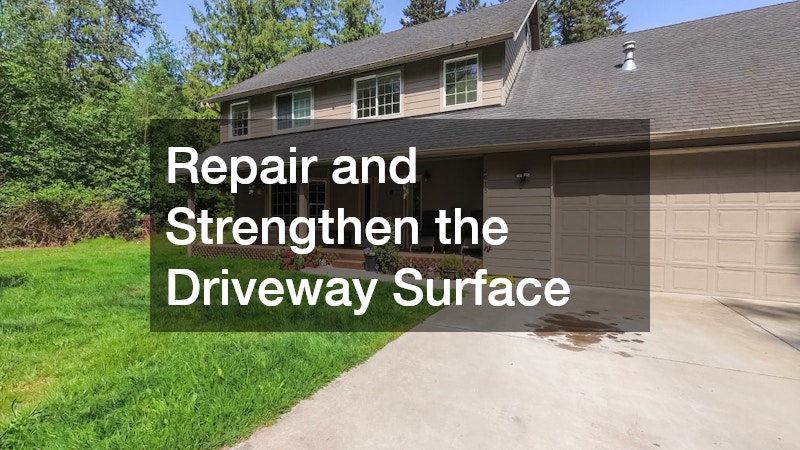
The driveway is exposed to constant wear from vehicles, weather, and environmental factors. Addressing damage early helps maintain both appearance and functionality.
Cracks, uneven areas, and surface deterioration are common issues that require attention. Concrete repairs can restore these areas and prevent further damage. Depending on the severity, repairs may involve filling cracks, resurfacing, or reinforcing the structure.
In some cases, replacing sections of concrete driveways may be necessary. While this can be a larger investment, it provides a long-term solution that improves durability and safety.
Proper drainage is another critical factor. Water that collects on the surface can weaken the material and lead to additional damage. Ensuring that the driveway is properly graded helps direct water away from the structure.
Taking the time to repair and strengthen the driveway creates a solid foundation for future improvements.
Protect Surfaces with Proper Sealing Techniques
Once repairs are complete, protecting the surface becomes a critical next step rather than an optional upgrade. Sealing helps extend the life of the driveway and reduces the long-term impact of weather, vehicle traffic, and daily wear. Without proper protection, even newly repaired surfaces can begin to break down sooner than expected.
Applying driveway sealers creates a protective barrier that prevents moisture from penetrating the surface. This is especially important in regions with freezing temperatures, where trapped water can expand during freeze-thaw cycles and lead to cracks or surface damage. In warmer climates, sealing also helps guard against UV exposure, which can dry out materials and cause fading or brittleness over time.
Preparation plays a major role in how effective the sealing process will be. The surface should be thoroughly cleaned, free of debris, and fully dry before application. Any remaining dirt or moisture can interfere with adhesion, reducing the effectiveness of the sealer. Applying the product evenly and allowing proper curing time also ensures better, longer-lasting protection.
There are different types of sealers available, each designed for specific conditions. Choosing the right product depends on factors such as climate, traffic levels, and material type. Some homeowners choose to apply sealers themselves, while others prefer professional application for more consistent results and proper coverage.
Regular sealing also enhances the appearance of the driveway by maintaining a clean, finished look. Over time, this helps preserve both function and curb appeal while reducing the need for frequent repairs.
Upgrade the Garage Floor for Durability

The garage floor handles constant wear from vehicles, tools, and foot traffic, so upgrading it can make a noticeable difference in both performance and appearance. A well-finished surface helps protect against cracks, stains, and long-term damage while also making the space more functional for everyday use.
Epoxy flooring is a popular option because it forms a tough, seamless coating over the existing surface. This layer is highly resistant to oil stains, chemical spills, abrasions, and moisture. For homeowners who regularly use their garage for parking, storage, or projects, this added protection can significantly extend the life of the floor. The smooth, glossy finish also reflects light better, which can make the garage feel brighter and more organized.
Preparation plays a critical role in achieving a successful result. Before applying epoxy, the surface needs to be thoroughly cleaned to remove dirt, grease, and debris. Any cracks or imperfections should be repaired, and the floor should be properly leveled. This ensures the coating bonds effectively and reduces the risk of peeling, bubbling, or uneven coverage over time.
While alternatives like interlocking tiles or heavy-duty mats can offer quicker installation, they may not provide the same level of durability or long-term value. These options can shift, trap moisture, or wear down faster in high-traffic areas.
Upgrading the garage floor creates a cleaner, more durable surface that is easier to maintain, helping the entire space function more efficiently day after day.
Final Steps to Tie Everything Together
After completing the major upgrades, it is time to focus on the final details that bring the entire project together. These finishing touches enhance both function and appearance.
Start by reviewing how all elements work together. The layout, materials, and design choices should feel cohesive. Small adjustments, such as adding lighting or improving organization, can make a significant difference.
Maintaining consistency between the garage and driveway creates a more polished look. Coordinated colors, materials, and design features help unify the space and improve overall curb appeal.
Regular maintenance is also essential moving forward. Creating a simple routine for cleaning, inspections, and minor repairs helps preserve the results of your renovation.
Bringing Your Project to Life with Confidence
Completing a full garage and driveway improvement project takes time, planning, and attention to detail. By following a structured approach, homeowners can create a space that is both functional and visually appealing.
From initial evaluation to final upgrades, each step plays an important role in the success of the project. Taking the time to plan carefully, invest in quality materials, and maintain the space ensures long-lasting results.
With the right strategy, these improvements can transform everyday use while also adding lasting value to the home.